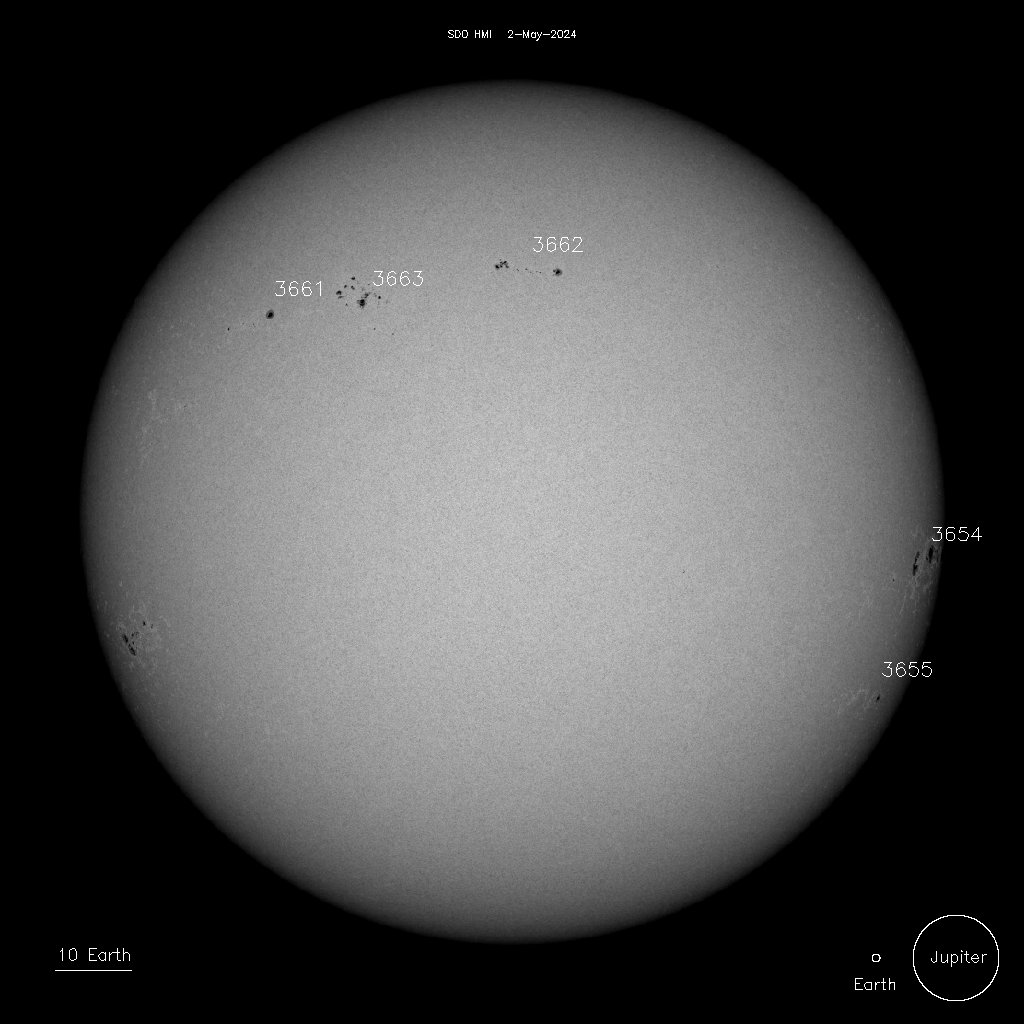
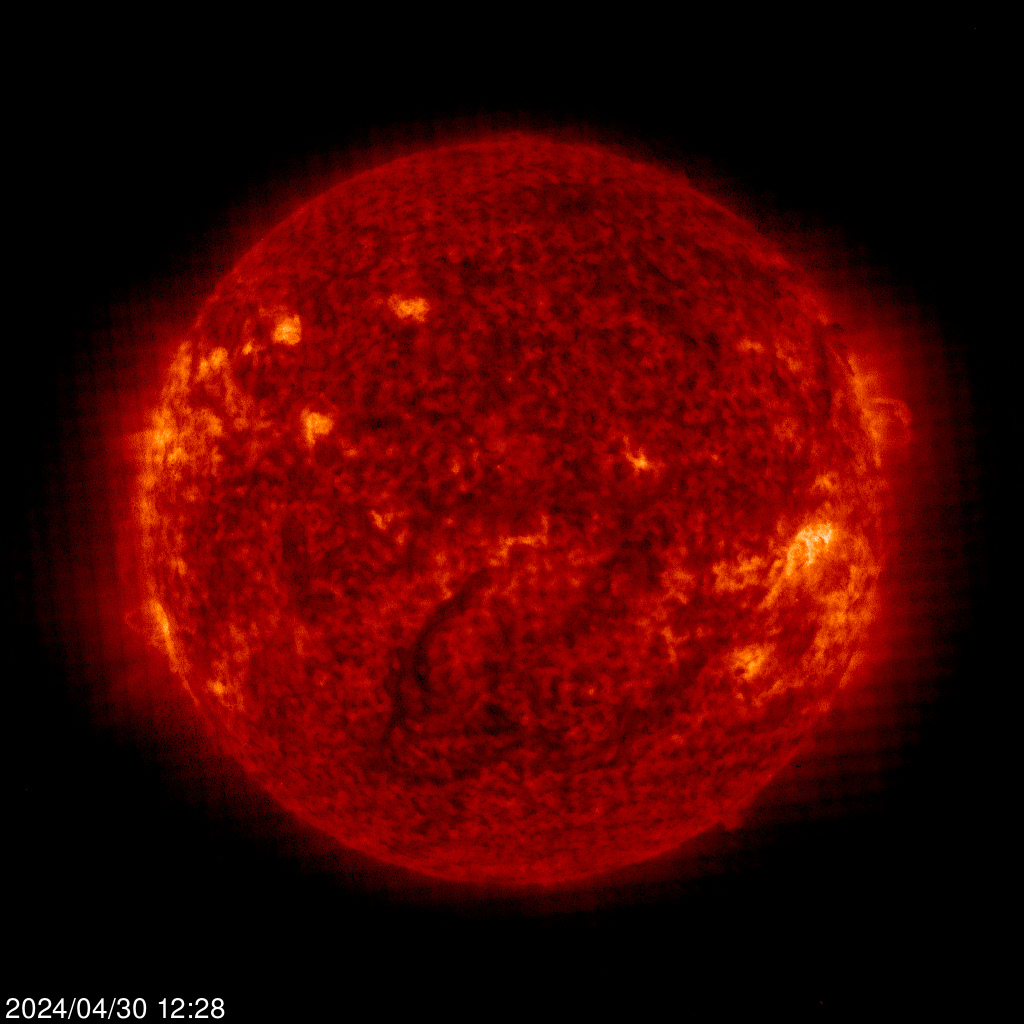
The Venus Transit Day was held at ESAC on the 09 May 2012. One of the activities scheduled for the day was an automated Sun observation from around 10am till 18pm, as a demonstration of the observations to be performed of the actual Venus Transit, on 6 June 2012. Real time images of the Sun were displayed with a video beam projector in the ESAC cafeteria during lunch. The images were posted in a dedicated webpage that will be used for the Venus Transit (http://www.sciops.esa.int/index.php?project=VENUSEXPRESS&page=venus_transit).
A video was created with the images of the day.
Part of this video, and other interviews of the Venus Transit Day will be aired in Euronews (http://www.euronews.com/) starting from 24 May.
The equipment was a Messier R102 Optical tube with a Baader solar filter, and a Coronado SolarMaxII 90 BF30, in piggyback, mounted on top of a Meade LXD75/EXOS-2 Goto mount. Images were acquired with a Nikon D3100 and a Canon EOS 500, transfered to ESAC servers for automated processing and storage through dedicated pipelines, and delivered via WebDB to outside viewers.
The most spectacular images were captured in the H-alpha channel. Here an example of those, a vulture transit, captured in flight around the Aulencia Castle.
A video was created with the images of the day.
The Sun in H-alpha on the 09 May 2012 (one image captured every 30sec).
Part of this video, and other interviews of the Venus Transit Day will be aired in Euronews (http://www.euronews.com/) starting from 24 May.
The equipment was a Messier R102 Optical tube with a Baader solar filter, and a Coronado SolarMaxII 90 BF30, in piggyback, mounted on top of a Meade LXD75/EXOS-2 Goto mount. Images were acquired with a Nikon D3100 and a Canon EOS 500, transfered to ESAC servers for automated processing and storage through dedicated pipelines, and delivered via WebDB to outside viewers.
 |
| Telescope mount set-up |
The most spectacular images were captured in the H-alpha channel. Here an example of those, a vulture transit, captured in flight around the Aulencia Castle.
 |
| Vulture transit in H-alpha |


 Posts
Posts